
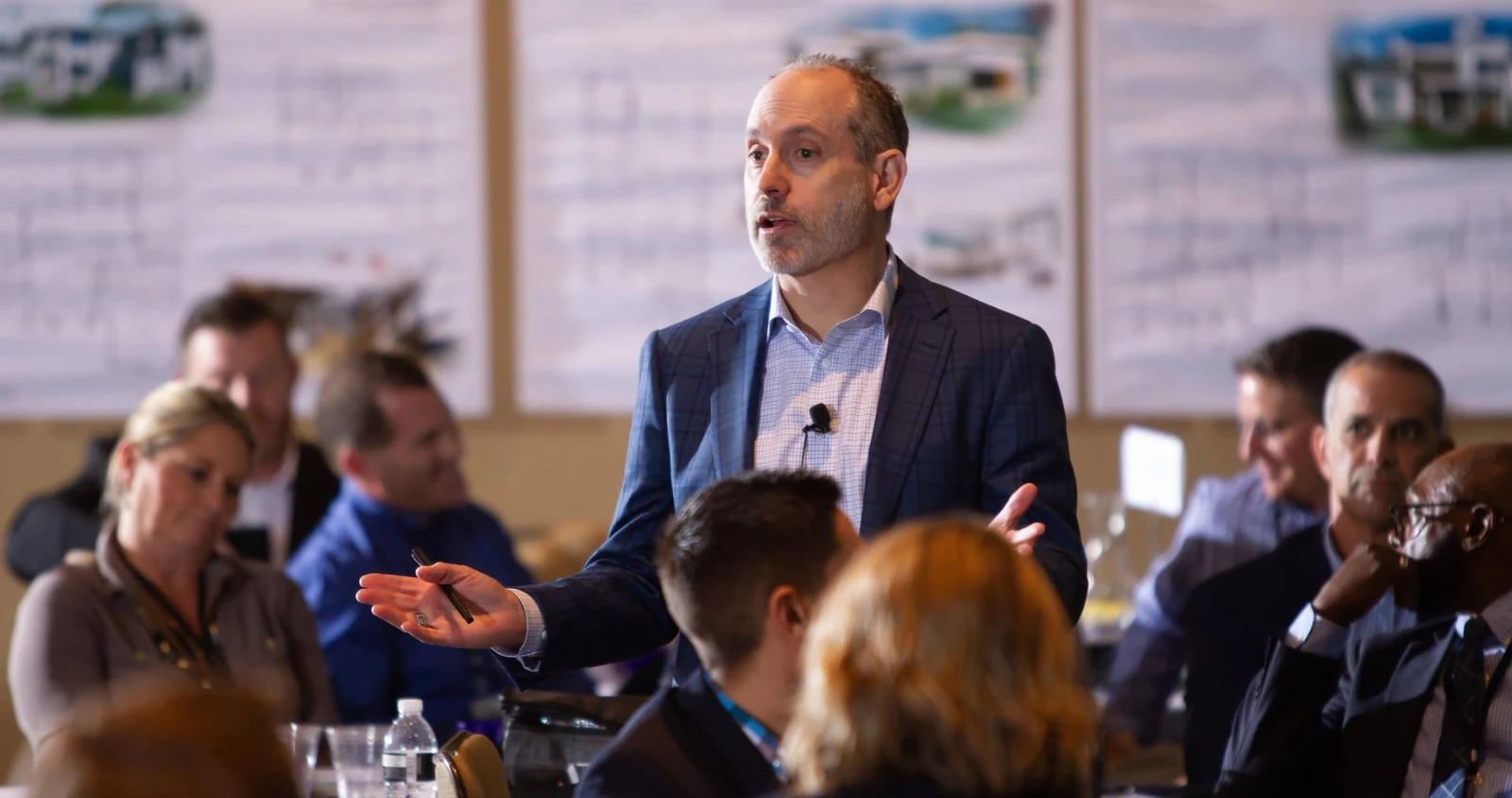
A personal approach, with real rigor behind it.
Every company is different, so every engagement is shaped around yours. Some leaders want one-on-one coaching. Others want their whole leadership team involved. What stays the same is how I work: I listen first, give you a candid read, and help you decide what matters most and see it through.
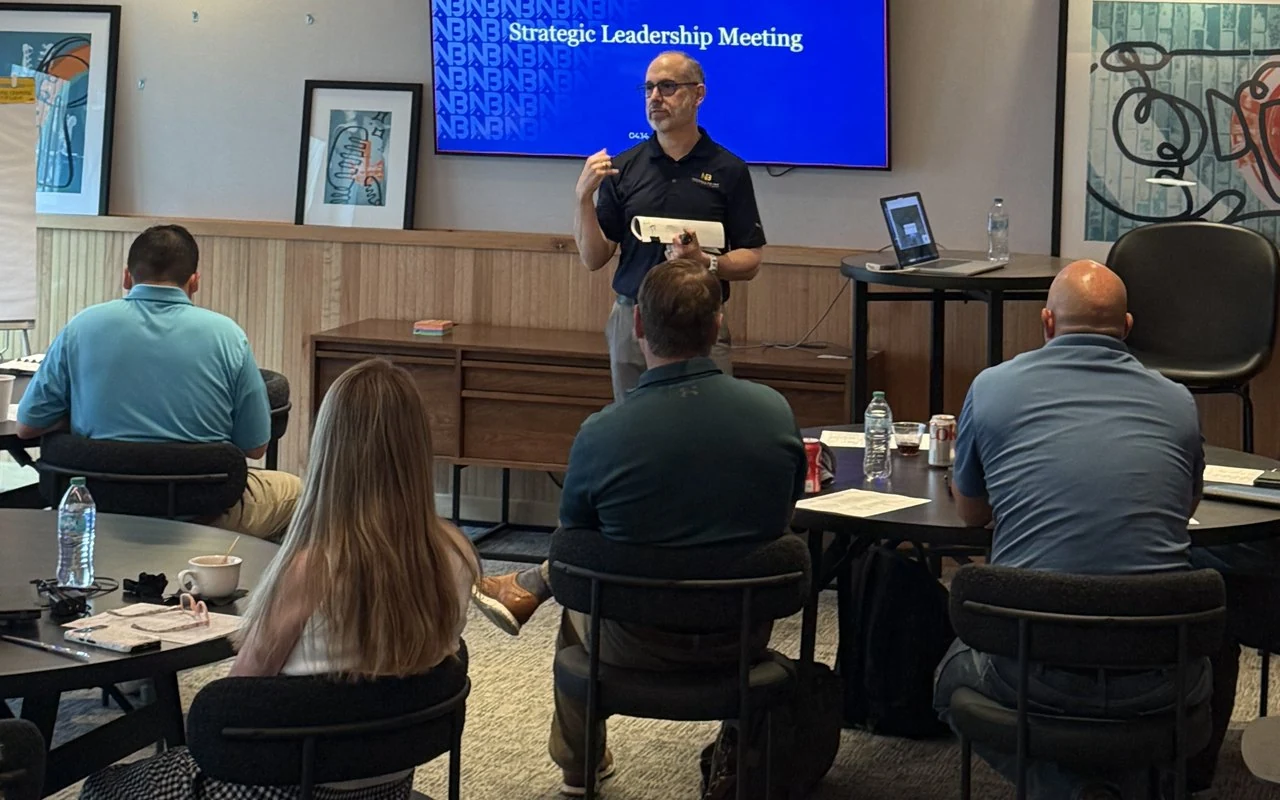
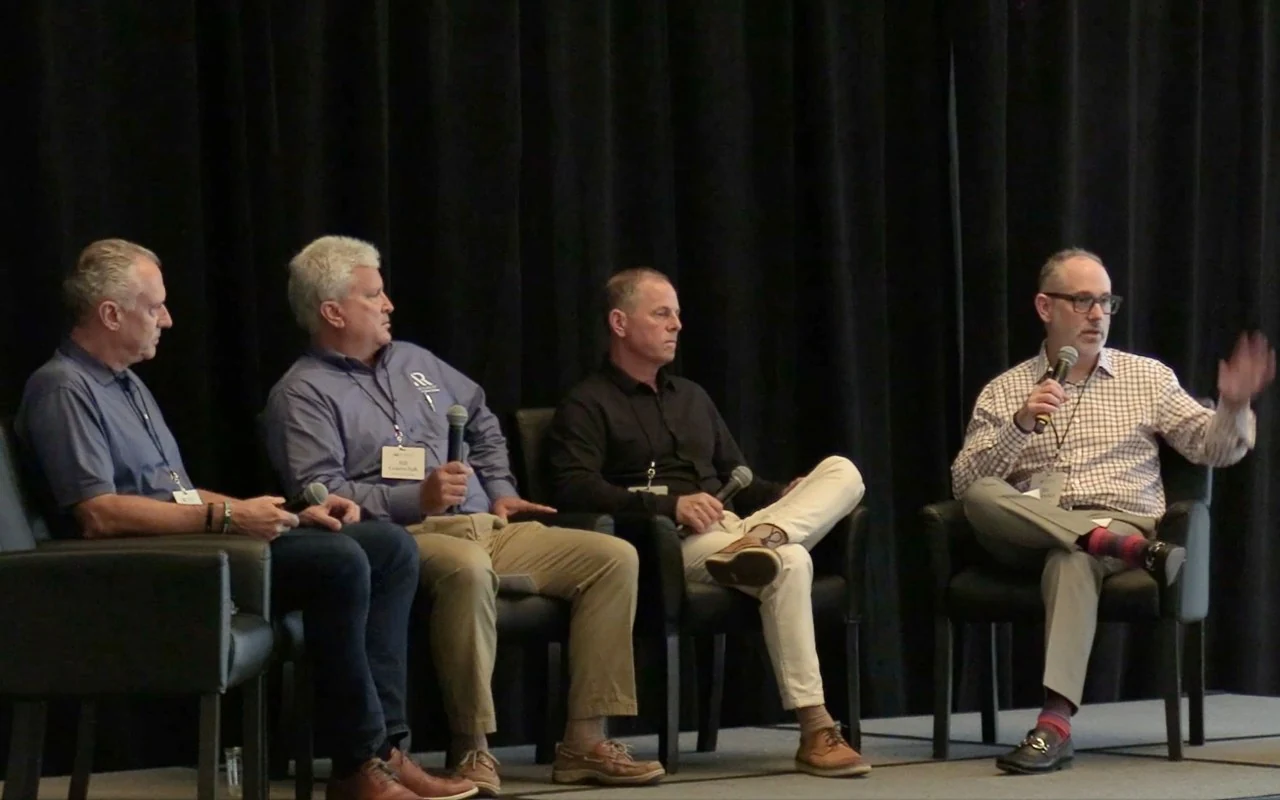
He made the case for bringing in a fractional CIO and volunteered to lead the search. … Over the two years we worked together, I found him highly competent, personable, and a capable strategic leader.
Coach, advisor, or hands-on partner. Whichever you need.
Some leaders want a thinking partner. Others want a direct recommendation. Some need help getting it done. I can do all three, and most clients need some of each.
Two ways to start. Both built around you.
Regular one-on-one sessions with me, starting right away, without the full diagnostic. We work on what's in front of you: decisions, priorities, your leadership team, and your own growth as a leader.
We begin with short conversations with your key leaders, so our work starts from what your team sees, not just what you see. You can bring your whole team in later.
The full engagement begins with the Clarity Diagnostic: conversations with you and your key leaders, a review of the numbers, and a candid written read of the business. Then your team agrees on priorities, and we put the Impact Rhythm in place to see them through.
It's the most effective way I know to turn strategy into results, and it's laid out in detail below.
Need something different? I'm glad to shape a program around you and your company.
Four stages, from clarity to impact.
When your leadership team is involved, this is how the work usually unfolds. Clarity and Alignment take about two months. Then the cycle repeats every quarter, so priorities stay current as the business changes.


I interview you and your key leaders, gather written input through a short questionnaire and, for most companies, an anonymous employee survey, review the financials, measures, and structure, look at how your meetings and key processes actually run, and give you a candid written read of the business.
We work through priorities, roles, and decision rights together, until the team agrees on what comes first and who owns it. Then we design your Impact Rhythm.
We put your Impact Rhythm in place: monthly one-on-one sessions with you, quarterly working sessions with your leadership team, and the right measures to track progress in between.
We set the measures together when your team builds the plan, review them every quarter with your leadership team, and adjust course when something isn't working.
This is how most engagements unfold, but it's a starting point, not a script. I'll adapt it to fit what your business needs.
You won't wait months to see progress.
You get an update from me every week, a written summary or a short call. Lower-risk improvements start right away; bigger decisions wait for the evidence.
An accurate read takes more than one perspective.
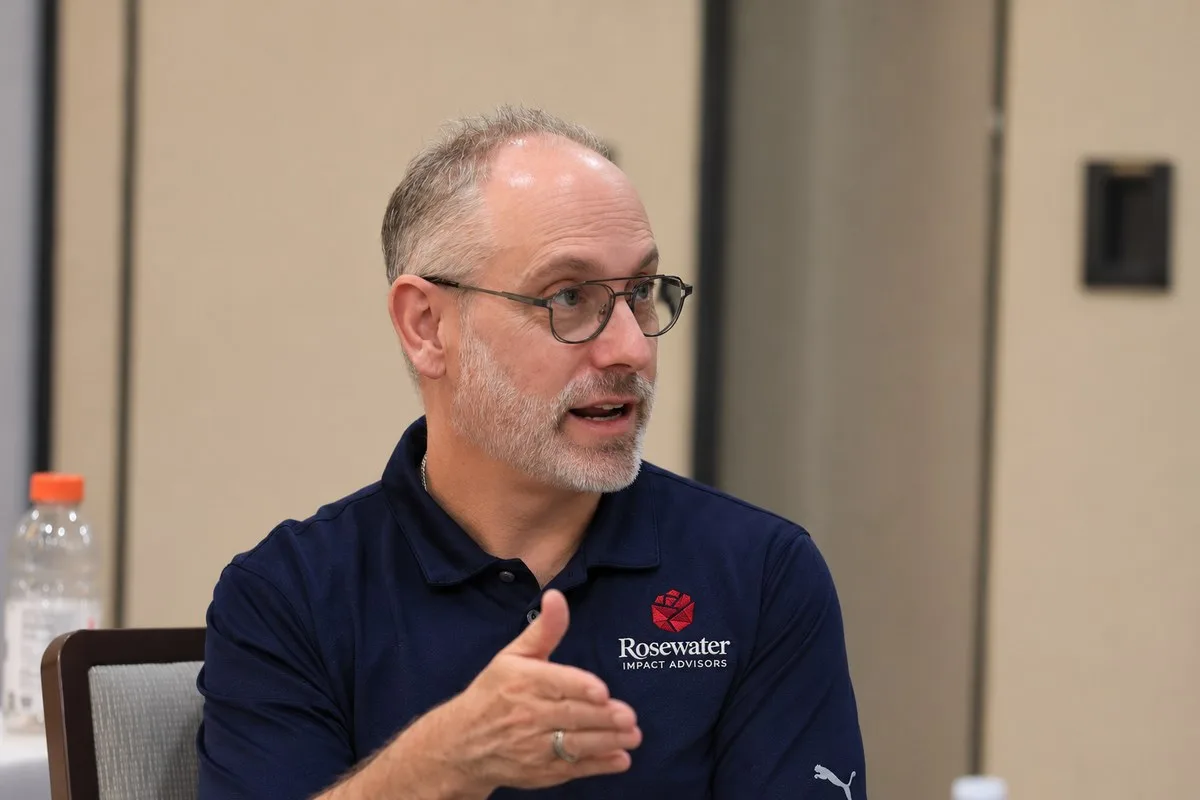
As CEO, you see the business from the top. Your leaders see it from where the work happens. Before I give you my view, I talk with both. That's how the issues no one has wanted to raise come to the surface, and how we learn whether the team really agrees on priorities. Even in Second Chair, my one-on-one coaching, I start with short conversations with a few of your key leaders.
Your leaders' input is shared with you as themes, never as attributed quotes, and everyone knows how it works before the first interview.
From month 3, the Impact Rhythm.
We review progress on your priorities, work through what's on your mind, and prepare for what's ahead.
We review the quarter against the measures, resolve the issues holding you back, and agree on next quarter's priorities and who owns them. Within a few days, you get a one-page summary of the decisions, priorities, owners, and measures.
Time with your leadership team to step back, update the longer-term plan, and set the year's priorities.
Between sessions, you have direct access to me, and I check in with your key leaders. Most engagements run at least six months, so there's time for the work to show up in results.
Priorities with owners, the Impact Rhythm of meetings and follow-up, a scorecard your team trusts, and a leadership team that holds itself accountable.
A clear process. No prescribed answers.
I'm independent by choice. I don't bring someone else's system or a set curriculum. My own tools, the Clarity Diagnostic, the Impact Rhythm and the Builder Scorecard, give the work structure; what we focus on comes from your business. Every engagement starts with listening: to you, to your leadership team, and to what the numbers say.
I'll use proven planning tools where they fit. But no tool tells you which problem to solve first, or when a plan needs to change. That judgment comes from having faced these situations myself.
And I keep the practice small by design. I work with a limited number of clients, so every session is with me personally, with real preparation beforehand and direct access to me in between.
Three methods that give the work its structure.
A candid, evidence-based read of your business, built from your leaders, your numbers and how the company actually runs. It's where every full engagement begins.
The weekly, monthly and quarterly cadence that keeps priorities moving after the plan is written: standard agendas, follow-up and a scorecard your team trusts.

Every part of a homebuilding business graded, from capital and land to sales, customers and data, so the plan starts with what to fix first.
Grade your company →
Let's start with a conversation.
Tell me what's on your mind. If I can help, I'll suggest a first step. If I can't, I'll tell you.